Detail
Basic Legal Writing for Paralegals
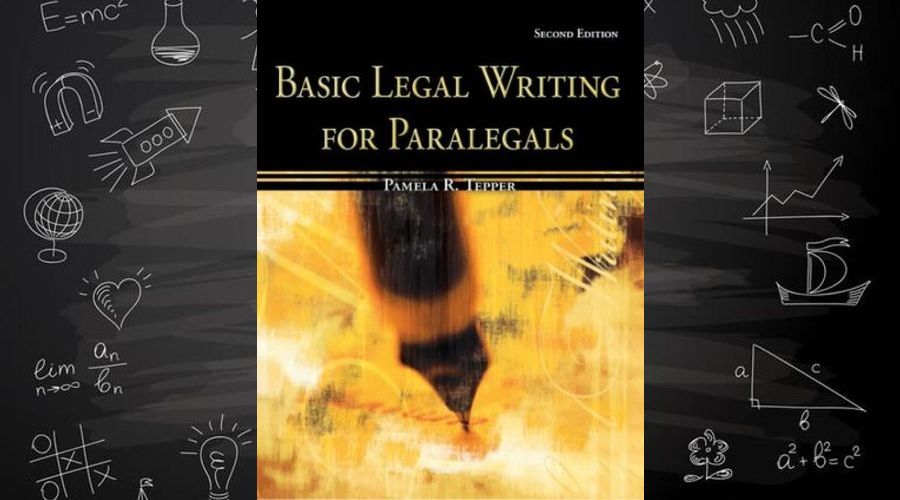
Legal writing is a skill that can be mastered. By learning the basics of concise and effective legal writing, and appreciating the intangibles of style, the paralegal can develop an ability to
render arguments in forceful and lucid prose. The paralegal can aid clients through the clear and unambiguous presentation of their positions, writing with an attribute that even many attorneys
lack—confidence.
The philosophy of the second edition of Basic Legal Writing for Paralegals has not changed. This book is designed specifically for the paralegal and the tasks performed by the paralegal. It is
a comprehensive and accessible approach to basic legal writing. We have attempted to provide a foundation on which to build basic skills in legal writing. The range of communications covered in
these pages is wide—from the complexity of an appellate brief to the simplicity of a cover letter. Regardless of the level of complexity, however, effective communication is always important and,
for the unwary, often elusive. It has been the goal of this volume to provide the paralegal with the practical tools and, most important, the sense of clarity so necessary to the expression of ideas.
The second edition has a number of new features that enhance the book’s approach. Each chapter has case studies entitled “You Be the Judge,” which illustrate legal writing issues that
have been addressed by the courts. The cases often show the “real-life” problems that arise in the practice of law, such as attorneys ignoring page constraints for briefs, or the effects of missed filing deadlines. The illustrations were chosen to show paralegals the importance of not only reading the rules, but following them. Many of the cases also provide insight into the ethical issues that arise for both attorneys and paralegals. Ethical issues are highlighted in the “Ethics Alert” section in each chapter. Students should pay close attention to this section as it discusses
the constraints imposed on their practice. Coupled with the addition of the Ethics Alert is a section entitled “The E-Factor.” With all the new developments in the world of technology since the
first edition, this section introduces paralegals to the new challenges they will face with e-filings, cellular telephones, and the Internet, to name a few. Each chapter’s “E-Factor” section relates a technology issue to the paralegal’s areas of practice.
Every chapter has been expanded and new material added. Most chapters contain extensive checklists to guide paralegals in their writing assignments. All chapters have been updated to include the most recent changes in the field, such as the ALWD Manual and court procedures.New exercises are included at the end of each chapter with one comprehensive assignment in the “Portfolio Assignment.”
分类
最新资料

1. THE FORMATION OF A CONTRACT

2. BOILERPLATE CLAUSES IN COMMERCIAL CONTRACTS

3. THE LIABILITY OF BUSINESSES FOR NEGLIGENCE

4. SOLE TRADERS AND TRADITIONAL PARTNERSHIPS

5. CONTRACTUAL WARRANTIES

6. THE LIABILITY OF BUSINESSES FOR NUISANCE

7. DAMAGES AS A REMEDY FOR BREACH

8. PAYMENT CLAUSES AND RETENTION OF TITLE

9. AN INTRODUCTION TO LIMITED COMPANIES

10. THE STRUCTURE OF A COMMERCIAL CONTRACT